


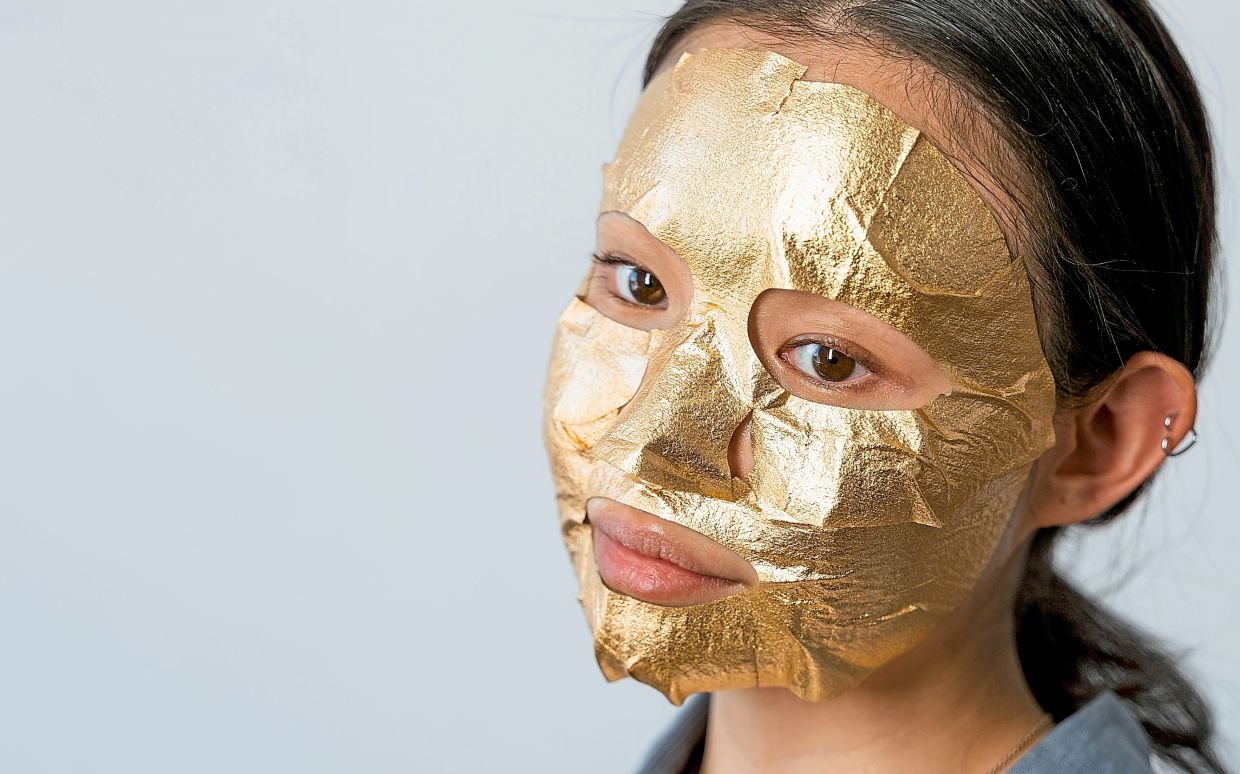
social media’s expectation of perfection when it comes to all aspects of beauty.
Rather than simply pursuing flawless skin, skincare can offer something else: a few quiet minutes at the beginning or end of the day, the comfort of a familiar routine, or an opportunity to step away from work, screens and other demands.
Professional skincare treatments can serve a similar purpose. While people still expect results, the time spent having someone else care for their skin can provide a rare chance to do very little at all.
Wilson Lee, chief executive officer of Emax Beaute International, the parent company of B+ Clinic, believes this requires moving away from the idea that skincare should always be about correcting perceived imperfections.
“‘Skincare as therapy’ means recognising that skincare is not only about addressing a concern, but also about how we choose to care for ourselves,” he says.
“As an industry, we have often focused on what people need to fix or improve. We want to shift that conversation towards understanding, personalisation and care, because there should not be one definition of what healthy, beautiful skin needs to look like.”
A daily ritual
Unlike occasional wellness activities, skincare is already built into many people’s everyday routines.
Cleansing and applying skincare in the morning and evening may take only a few minutes, but the repetition itself can create a small ritual – particularly when it is approached without rushing.
For Menard senior sales and marketing manager Calvin Sim, these everyday moments are an important part of what makes skincare restorative.
“Skincare goes beyond fixing breakouts, dullness or dryness. It is a moment to slow down, and the few minutes we spend cleansing and applying products are among the few times in a day that truly belong to us,” Sim says.
This also shifts attention from simply what people put on their skin towards how they care for it.
Sim points to cleansing as an example.
Too much pressure or poor technique can potentially compromise the skin barrier, while gentler, more considered movements can turn an otherwise functional step into a slower experience.
“So skincare is not only about what you apply, but how you apply it,” he says.
“When our hands care for the skin in the right way, we relax too and stress eases. That is what ‘skincare as therapy’ means to me.”
Seen this way, skincare does not necessarily need to be elaborate to feel restorative.
The therapeutic element may lie less in having an extensive routine than in giving an everyday activity greater attention – taking several minutes to focus on the physical sensations of cleansing, massaging or applying skincare rather than simultaneously thinking about the next task.
Nadia Nasimuddin, founder of homegrown personal care brand Pop Neutral, shares this view, particularly when skincare is fitted around the demands of work and family.
“For me it’s about the few minutes that belong only to you. Most of us spend the day looking after everyone else, our families, our teams, our deadlines,” she says. “Putting on a body oil or lotion at the end of the day is one of the rare moments where you slow down and look after yourself, without anyone asking you to. The product matters, but the pause matters just as much.”
For Nadia, even five or 10 minutes devoted to oneself can make a difference to how a person feels.
Routine itself can also provide a sense of familiarity at the beginning or end of a busy day.
“I think routine itself can be very grounding. There’s something comforting about having these small rituals at the beginning or end of your day that are purely about taking care of yourself,” she says.
Time to switch off
Home routines, however, offer a different experience from having someone else care for your skin.
With sophisticated skincare products, devices and information now readily available, much can be done without leaving home.
Yet professional treatments continue to appeal to many, partly because they provide something that is increasingly difficult to replicate in everyday life: uninterrupted time.
“I think there is still a strong value in the professional experience itself,” says Lee.
“People may have access to good products and tools at home, but a professional facial gives them the opportunity to step away from their daily routine and have their skin cared for by someone with the right knowledge and experience.
“It is also about the trust that comes with knowing you are in the hands of a professional.”
That separation from daily responsibilities may be as important to the experience as the treatment itself.
At home, even a carefully planned skincare routine can take place between answering messages, preparing for work, looking after family members or getting ready for bed.
Setting aside time for a treatment creates a defined pause in which those responsibilities temporarily recede.
Expertise remains another reason people seek professional care. With new ingredients, products and skincare trends appearing constantly, deciding what the skin actually needs can become overwhelming.
“I think the value of a professional facial goes beyond the treatment itself,” Lee says.
“It is about having someone with the expertise to look at your skin, understand its current needs and guide you towards the right approach.
“With so many trends and products available today, that personal understanding can make a real difference. Ultimately, good skincare should be about what works for the individual, not simply what everyone else is doing.”
Sim similarly points to assessment and technique as elements that are harder to reproduce at home, particularly when it comes to understanding changes in the skin and applying the appropriate amount of pressure during a treatment.
“I worked as a beauty consultant for more than 10 years and now lead training, so I have seen first-hand that with the same product, a different technique or pressure gives a very different experience and result,” says Sim.
“Many customers only realise after a treatment that the right technique can relax both the skin and the mind.”
Care beyond the skin
The connection between skincare and well-being can also be found in its sensory qualities.
For Nadia, something as simple as a shower, a familiar scent or taking time to massage a product into the skin can help mark the transition from a busy day to a quieter part of it.
“A warm shower, a scent you love, massaging a product into your skin are little things that signal it’s time to slow down, unwind or transition out of a busy day,” she says.
“The physical benefit is obviously important, but I think how a product makes you feel is just as important.”
Perhaps the strongest connection between skincare and wellness, however, comes from the experience of simply being cared for.
Touch, quiet and the absence of everyday distractions can create an environment in which people naturally begin to unwind.
For some, that relationship also becomes unexpectedly personal.
“Yes, the trend is clear. Life today is fast and stressful, and people need a space where they can truly relax and be looked after,” says Sim.
“In my work, I have found that many customers come to the salon not only to improve their skin, but also to release stress. The treatment is quiet and comforting, and gentle touch helps people unwind naturally.”
Over time, the familiarity between client and therapist can create another form of connection.
“Many customers begin to open up about their lives and worries, because they trust their therapist, and being heard is itself a way of relieving stress,” says Sim.
“So besides professional technique, a beauty therapist also needs to be a good listener.”
It is a reminder that self-care does not always have to involve dramatic changes or elaborate wellness practices. Sometimes it can simply mean allowing someone else to take care of you for an hour.
Lee similarly sees professional skincare becoming increasingly connected to this idea of taking time for oneself.
“Absolutely. A facial can address the skin, but the experience can also give someone an opportunity to step away from a busy day and focus on themselves,” he says.
“I think that is why professional skincare has become increasingly connected to self-care. It is not necessarily about pursuing a particular outcome every time. Sometimes, giving yourself the time and attention to feel refreshed is valuable in itself.”
In Malaysia, Nadia believes the way people think about beauty and self-care is evolving alongside wider conversations about well-being.
“People are still interested in results, of course, but they’re also thinking more about wellness, stress, sleep and how they feel overall,” she says.
That may be partly a response to increasingly connected lives, where opportunities to properly switch off can be difficult to
find.
“Life has become incredibly fast-paced and we’re constantly connected, so people are looking for simple ways to create moments of calm within their everyday routines,” Nadia says.
“Skincare and body care naturally fit into that because they’re already part of our day.”
It is also an approach to self-care that does not necessarily require lengthy appointments, complicated routines or an extensive collection of products.
Ultimately, skincare will always have a practical purpose. People want products and treatments that address their concerns and help keep their skin healthy.
But then again, the changing conversation lies in recognising that this does not have to be its only purpose.
